





What This Platform Feels Like In 2026
Picture this: you have ten minutes before work, you open the casino on your phone, and you want something fast without digging through menus. The first thing you notice is rhythm - how quickly pages load, how easy it is to return to the lobby, and whether the interface nudges you to make a decision or lets you browse calmly.
In 2026, most players judge a gambling platform less by slogans and more by friction. Can you find your preferred category fast? Do filters remember what you picked last time?
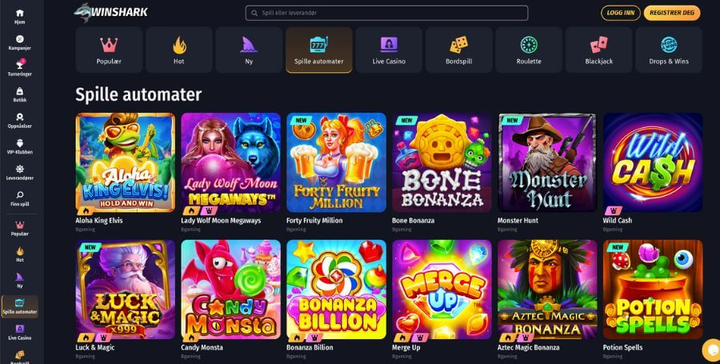
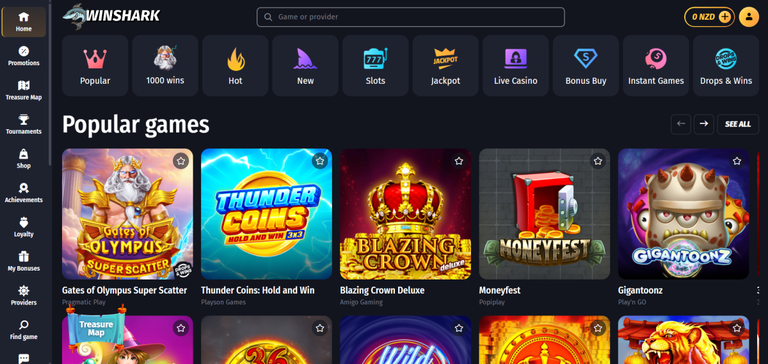
Winshark Casino aims for a straightforward layout with big categories and search-first navigation. The feel can still vary by device and browser, so treat your first session as a test drive, not a commitment.
Navigating The Lobby Without Getting Lost
If you are the type who opens a lobby and instantly forgets why you came, you are not alone. A useful trick is to start with one goal - “I want three games to try” - and then work backwards using filters, favorites, and recently played sections.
Most players do this in short loops: browse, open a game, back out, repeat. The platform feels better when the back button behaves predictably and when categories do not reshuffle on every refresh. When something looks noisy, create your own order: favorite a handful of titles, then return later and play only from that short list.
Account Basics And Verification Flow
Imagine you hit a small win and you want to cash out the same day, but the cashier asks for account checks first. That is why it helps to treat verification as a “setup task,” not a surprise waiting at the end.
Typically, you create an account, confirm contact details, and complete identity checks when prompted. Keep it simple: use consistent personal info and avoid switching devices mid-process. If something is unclear, save the error text or a screenshot for support - it is faster than describing it from memory.
Game Selection: How To Test Before You Commit
Let’s say you are curious, but you do not want to deposit immediately. Many players start by exploring categories, opening a few games in demo mode when available, and checking whether the platform keeps the same performance once real stakes are involved.
A good habit is to “sample by style” rather than chasing trending tiles. Pick one classic slot, one newer theme-heavy slot, and one table option, then compare feel: speed, clarity, and whether settings are easy to adjust. This approach helps you decide if the platform matches your pacing.
Demo Sessions And Session Limits
If you plan to play casually, demo sessions can be your best friend. Imagine you are on a train ride: you want entertainment, but you also want to stop cleanly when you arrive.
Use that moment to practice session hygiene. Set a time cap in your head, turn off autoplay if it makes you lose track, and keep an eye on how quickly you switch games. Those habits matter even more once money is involved.
Live Tables And Social Pressure
Picture a live table where the dealer is moving fast and the chat is buzzing. It can feel fun, but it can also push you to bet bigger than planned just to keep up.
A calmer way is to decide your limits before you sit down. Start at the smallest comfortable stake, watch a few rounds, and only then participate. If the interface makes it easy to mute chat or hide animations, use that feature - your goal is to stay focused, not entertained into overspending.

Bonuses And Promotions Without The Hype
Suppose you log in and see a banner that looks like free money. The smart move is to pause and read what “free” actually means in practice: wagering requirements, eligible games, time windows, and any restrictions on withdrawals.
Players often miss the small parts because they are excited. Instead, treat a promotion like a contract you can simply ignore. If the terms feel confusing, skip it and play normally; a clean deposit with no strings can be a better deal than a complex offer you cannot confidently manage.
Two quick rules: never chase a promotion to recover losses, and skip anything you cannot explain simply.
Deposits, Cashouts, And The Details That Matter
Imagine you are ready to fund your balance, but you do not want surprises like extra fees or a method that blocks withdrawals. This is where practical checks matter: how the cashier lists methods, whether it shows currency conversions clearly, and what happens if a payment fails.
For Australian players, availability can vary by banking setup and provider rules. The key is to choose a method that you can also use for payouts when possible, keep your transaction notes, and avoid hopping between too many payment options in the same week.
Choosing A Funding Method That Fits
If you are deciding between a card, an e-wallet, or another option, think about your own behavior first. For example, if you tend to overspend when deposits are instant, a slower method might actually protect you.
Most users do best with a simple routine: pick one main method, do small test deposits first, and stop after one successful transaction until you understand the flow. If the cashier offers limits or reminders, turn them on - they are easy to ignore later, but useful on day one.
Withdrawal Requests And Common Bottlenecks
Picture this: you request a payout, then you refresh the cashier every hour and start spiraling. That stress is common, and it is usually avoidable.
Delays can happen for boring reasons: account checks, mismatched payment details, or extra confirmation steps. Keep your side clean by using the same name across payments, double-checking bank info, and responding quickly if support asks for clarification. Treat payout timing as variable - it depends on method, internal checks, and provider processing.
Fees, Exchange Rates, And Minimums
If you deposit in one currency and withdraw in another, small conversion costs can add up. Imagine you make several small deposits across a weekend - those tiny differences can quietly shave value.
A safer approach is to stick to one currency when you can, read the cashier notes carefully, and avoid repeated micro-transactions. Also pay attention to minimum deposit and withdrawal thresholds, because they shape how you should manage your bankroll and session size.
Topic | What Usually Happens | What To Check Before You Start |
|---|---|---|
First Deposit | Funds appear quickly for many methods | Currency shown, any extra confirmations, whether the method is available for payouts |
Payout request | The cashier moves through a review step | Identity checks completed, payment details match your profile, any limits for the chosen method |
Payment failure | A decline or pending status shows up | Whether your bank blocks gambling transactions, retry rules, and if a new method is really necessary |
Budget control | Limits may be optional, not automatic | Deposit limits, session reminders, and timeout or self-exclusion tools |
Support contact | Chat is fastest for simple questions | What information to provide: time, method, error text, and screenshots of messages |
Mobile Play In Real Life: From Commute To Couch
Imagine you start a session on your phone during a break, then continue later on a laptop. The best mobile experience is not just “it fits the screen” - it is about continuity: the game loads the same way, settings do not reset, and you can find the cashier without hunting.
In 2026, many casinos lean toward browser-first mobile use. That can be convenient because you do not need installs, but it also means your browser settings matter: pop-up blockers, privacy modes, and saved passwords can change how smooth the flow feels.
Browser Play Vs App-Like Experience
If you like a clean, app-style feel, you might be tempted to search for an installable version. A practical test is to compare two paths: playing in a standard browser tab versus adding a shortcut to your home screen.
Most players prefer whatever is faster to open and easier to close. If you cannot exit quickly, that is a red flag for your own control. Keep notifications minimal, avoid enabling too many permissions, and make sure you can log out or lock the session when you hand your phone to someone else.
Battery, Data, And Small Annoyances
Picture your phone dropping to low battery mid-session, and you feel pressured to finish quickly. That is when mistakes happen: wrong stakes, accidental taps, or chasing a loss.
Plan around the boring stuff. Use stable Wi-Fi when possible, lower brightness, and consider playing shorter sessions on mobile. If a game feels laggy, do not force it; switch titles or pause. Consistency matters more than adrenaline.
Support, Complaints, And Getting Answers Fast
Suppose you have a simple issue: a deposit is pending, or a game froze during a round. You want a reply that fixes the problem, not a generic script.
The fastest route is to prepare your message like a mini report: what you did, what you expected, what you saw, and what device you used. Clear facts beat long emotions every time.
When Chat Helps And When Email Wins
Imagine you open live chat while multitasking, and you miss the agent’s question. The chat resets, and you are back to zero. Annoying, but common.
Use chat for quick clarifications and account navigation. For complex cases - especially anything involving payments - email can be better because you can attach details and keep a record. Either way, stay polite, stick to timestamps, and ask for the next concrete step rather than demanding instant outcomes.
Winshark Casino Review: Reading Player Feedback
Imagine you are deciding whether to deposit, and you search for what real people say. You will find praise, anger, and a lot of noise. The goal is not to collect opinions - it is to spot patterns.
Public review hubs can be helpful when you read them like a detective. Look for repeated themes: verification pain, payment friction, confusing bonus terms, or slow support. One complaint can be a bad day; ten similar complaints can be a workflow issue.
Spotting Patterns In Public Ratings
If you see a string of one-star posts, your first instinct might be “this is terrible.” Then you scroll and notice many people mention the same step, like a rejected withdrawal due to mismatched details.
That is the useful part. Focus on the process described, not the emotion. Are users confused about rules, or are they ignoring them? Do they mention how support responded, or do they vanish after venting? The more specific the story, the more weight it usually carries.
Writing Your Own Notes After A Session
Picture your future self a week from now, trying to remember why you liked or disliked the platform. Memory lies, especially after a long session.
Do a two-minute debrief: write down which games felt smooth, whether the cashier was clear, and what you would do differently next time. Track your deposits and payouts like you would track any subscription spending. Over time, your own notes become more reliable than any single online comment.